
 Group
 UK
 DE
 FR
 NL
 CN
Products
Power Wheelchairs
Power Wheelchairs
Care Beds
Mobile Patient Lifts
Mobile Patient Lifts
Options & Accessories
Why Seat Width Matters
Choosing the right seat width is essential for comfort, positioning and everyday mobility. A seat that is too narrow may restrict movement, while excessive width can reduce effective support.
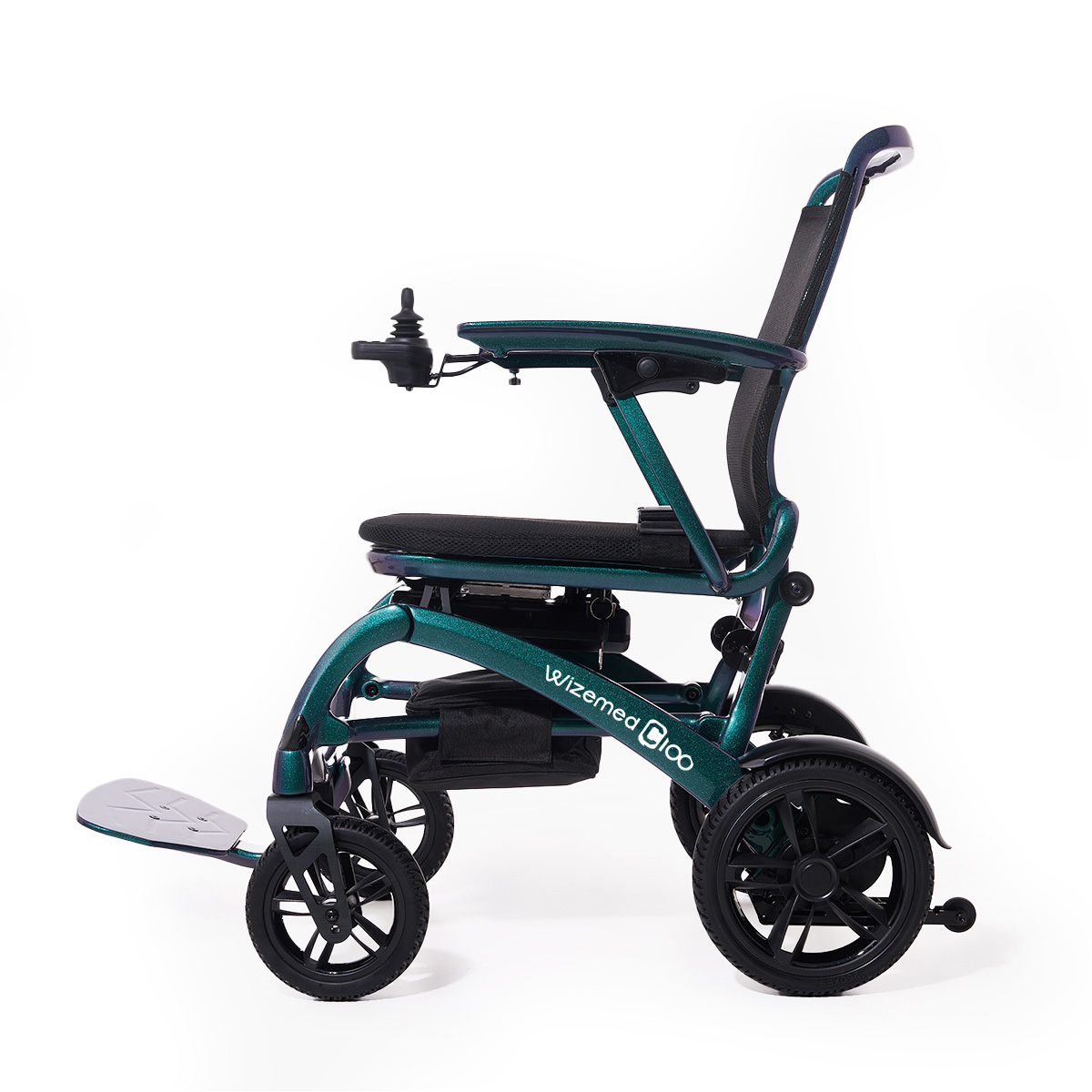
How Do We Measure It?
Step 1 — Apply the Standard Load Block
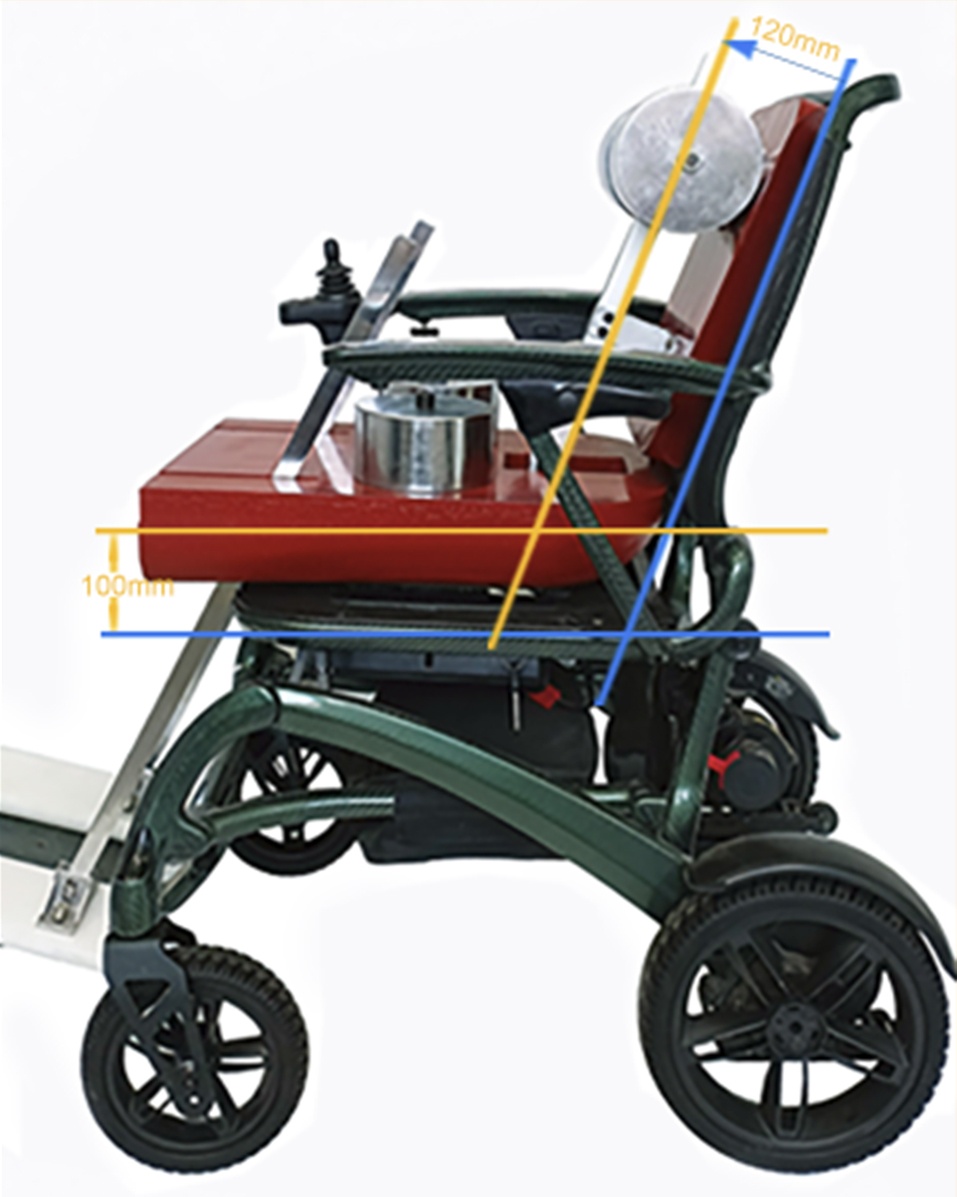
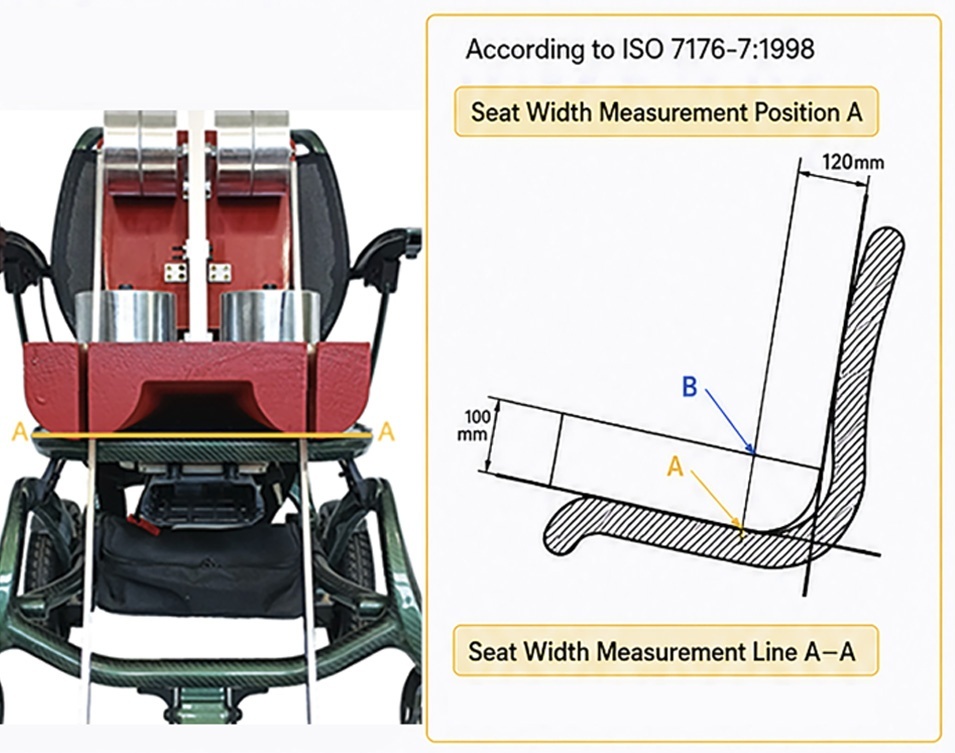
Step 2 — Measure Along A–A
Step 3 — Measure Along B–B
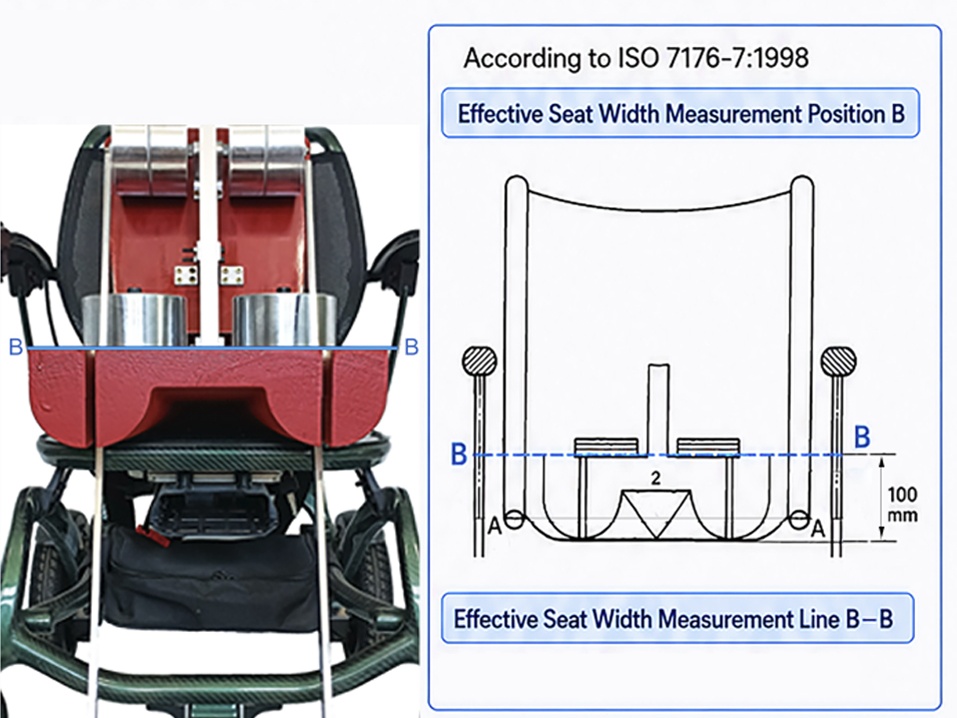
Why Are There Two Measurements?
Different measurement positions describe different aspects of the seating space. The A–A measurement and B–B measurement should therefore not be treated as interchangeable values.
| A-A | B-B | |
| Measurement | Seat Width | Effective Seat Width |
| C100 | 410mm | 500mm |
Why ISO 7176-7:1998 Matters
ISO 7176-7:1998 provides standardised methods for measuring wheelchair seating and wheel dimensions. Using a defined measurement method helps manufacturers and professionals communicate wheelchair dimensions more consistently.
At Wizemed, we use the ISO 7176-7:1998 measurement method as a reference when verifying key wheelchair dimensions.
How to Choose the Right Configuration
User Dimensions
Consider the user's body dimensions and seating posture.
Seating Support
Consider cushions, backrests and positioning requirements.
Effective Seating Space
Look beyond the nominal seat-width figure.
Configuration
Check dimensions for the specific wheelchair configuration.
Learn more about C100 →https://wizemed.co.uk/index-product-info-id-7.html


